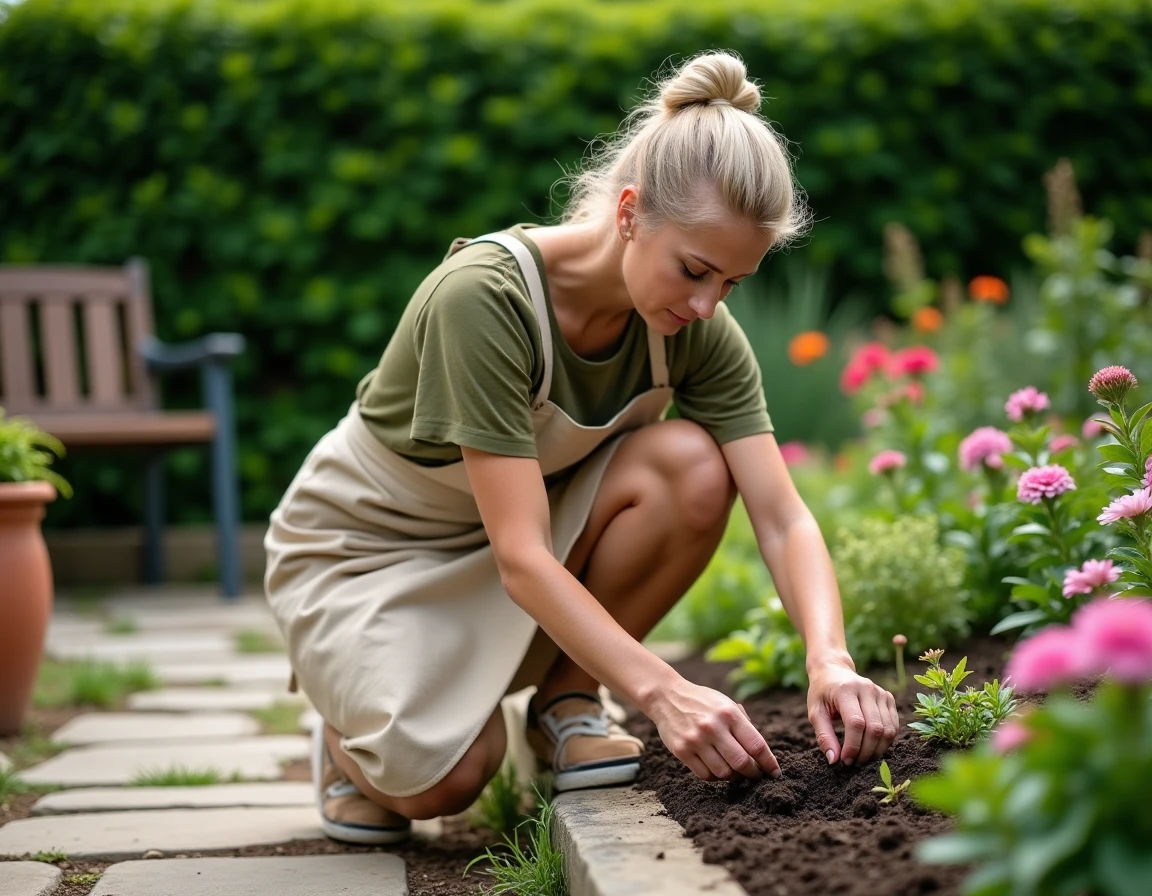
Creating a harmonious garden at home is not just about lining up flower beds along a path. The context has changed: restrictions on phytosanitary products, more frequent drought episodes, consideration of local biodiversity. These constraints reshape the way we design an outdoor space, from the choice of plants to the structural materials.
Labbé Law and the end of pesticides: rethinking garden aesthetics
Since the strengthening of the Labbé law on July 1, 2022, the use of many phytopharmaceutical products is prohibited for individuals. This regulatory constraint forces us to reconsider what we expect from a harmonious garden. A uniformly green lawn, free of moss and daisies, often required treatments that are now banned.
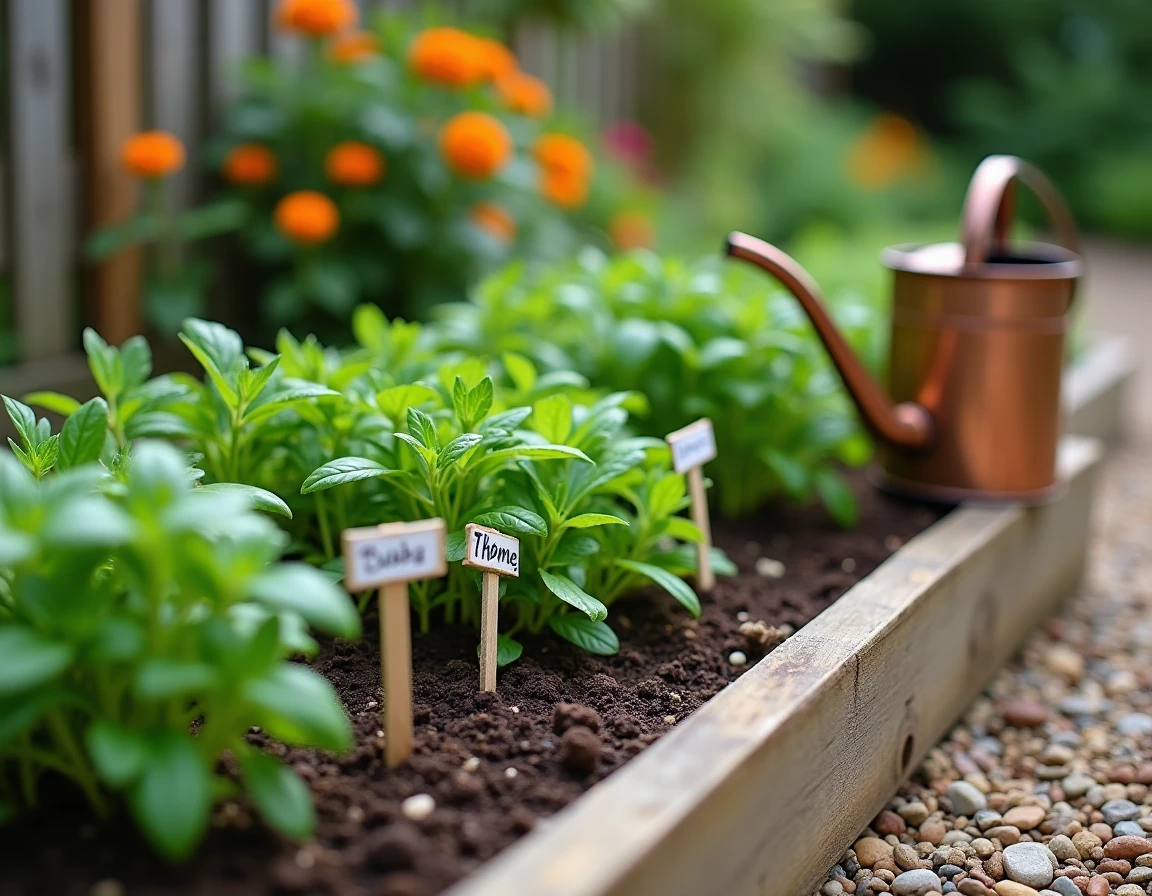
The direct consequence: gardeners are adopting more resilient plants and are more tolerant of signs of life (chewed leaves, less uniform areas). This is a change in perspective as much as in practice. Relying on plant associations that protect each other (basil at the foot of tomatoes, nasturtiums to attract aphids away from roses) replaces the use of synthetic products.
To delve deeper into these plant design logics, Inside Out’s gardening tips explore several concrete avenues adapted to French gardens.
Water-wise plant palette: which plants for a sustainable garden
The repeated droughts of recent years have put many traditional gardens in difficulty. Lawns burn, hydrangeas suffer, and automatic watering systems become a consumption item that is hard to justify. The trend towards water-wise gardens is accelerating due to summer restrictions.
Mediterranean plants (lavender, rosemary, santolina, gaura) are now being integrated into regions much further north than before. Mineral or organic mulching limits evaporation. Some ornamental grasses (blue fescue, stipa) provide movement and texture without requiring watering once established.
Layering plants for a natural effect
A harmonious garden relies on the layering of plant strata: ground covers, medium perennials, shrubs, and then trees. This logic mimics the structure of a natural ecosystem and produces a dense visual effect without requiring artificial filling.
- In the lower layer, creeping thyme or yarrow covers the ground and limits weeds without chemical weeding.
- In the intermediate layer, perennials like echinacea or shrub sage provide colors over a long flowering period.
- At height, a small-growing tree (field maple, Judas tree) creates shade and structures the space vertically.
This approach reduces maintenance and watering while creating a garden that evolves with the seasons.
Biodiversity in the garden: beyond decoration
The LPO has observed a steady increase in “LPO Refuge” certifications among individuals since 2020, with an acceleration after the lockdowns. This label, accessible to any property owner, is based on simple commitments: not using chemical products, installing water points, maintaining uncut areas.
A garden designed for biodiversity is not a neglected garden. It is a space where specific choices, such as a hedge composed of varied species (privet, dogwood, hawthorn) rather than a row of thuja, create habitats for wildlife while visually structuring the land.
Micro-amenities that change the ecosystem
A woodpile in a corner, a shallow water point (even a simple buried dish), a dry stone wall: these discreet elements transform a decorative garden into an ecological relay. French municipalities are now incorporating ecological continuity criteria into local urban planning regulations, providing a framework for these individual practices.
Field feedback varies on the actual impact of a single refuge garden on local biodiversity. However, the network effect, when several neighboring gardens adopt similar practices, seems to produce more significant results on bird and pollinator populations.
Materials and garden furniture: coherence rather than accumulation
Designing a welcoming garden also involves choosing materials for paths, terraces, and furniture. A common mistake is to multiply materials: white gravel, concrete slabs, composite wood, painted metal, all in a confined space.
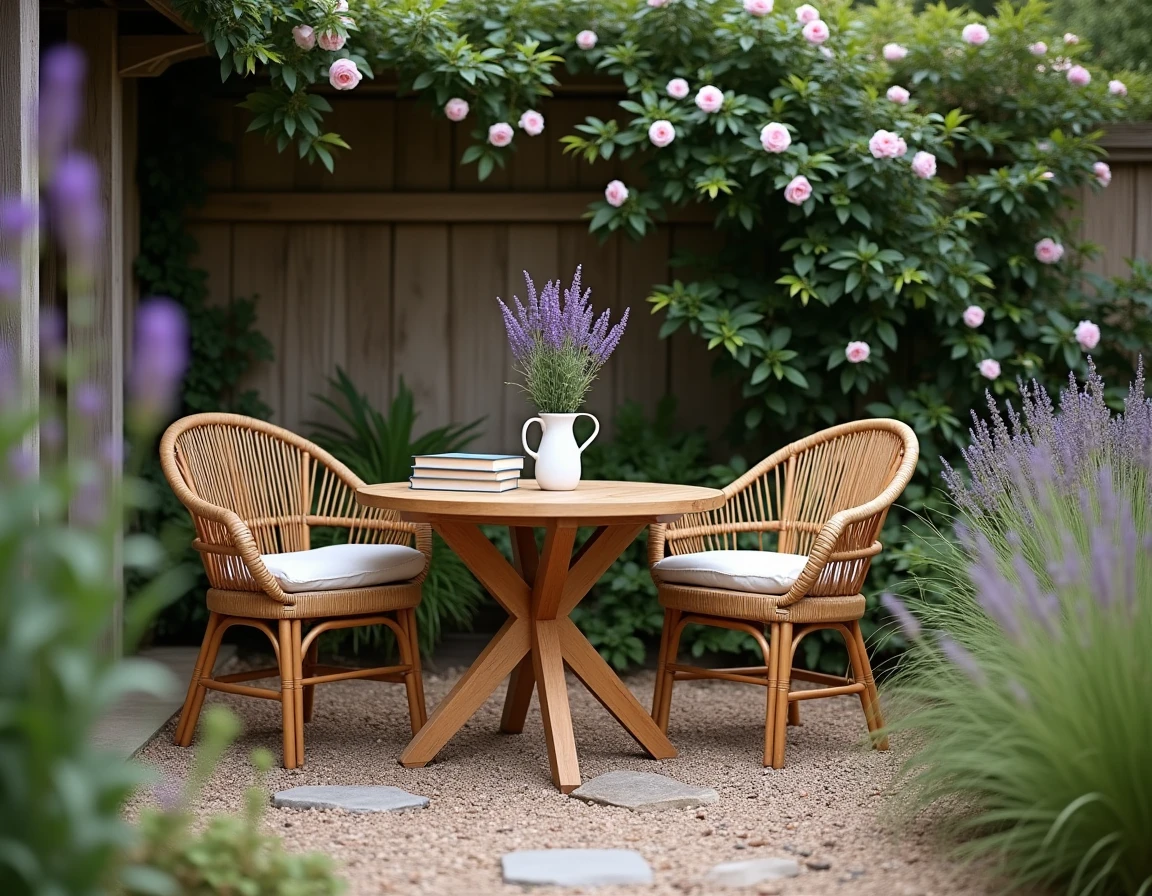
Limiting the palette to two or three materials creates immediate visual coherence. Wood (chemically untreated, in accordance with current restrictions) pairs well with natural stone. Local gravel, less expensive than imported materials, blends into the surrounding landscape.
- For paths, natural stone stepping stones laid on gravel drain rainwater and prevent soil sealing.
- For the terrace, class 4 wood (black locust, chestnut) withstands French weather without treatment.
- For furniture, pieces made of aged metal or raw wood age better than plastic and contribute to the garden’s ambiance rather than disrupt it.
Solar outdoor lighting, positioned along pathways or at the base of a tree, extends the use of the garden in the evening without wiring or significant electrical consumption. Downward-facing fixtures limit light pollution, an important factor for nocturnal wildlife.
Creating a harmonious and welcoming garden today relies on a balance between aesthetics, resource sobriety, and ecological functionality. Regulatory and climatic constraints are not obstacles: they guide us towards choices of plants, materials, and design that produce more sustainable spaces and, often, more visually interesting than a conventional garden.