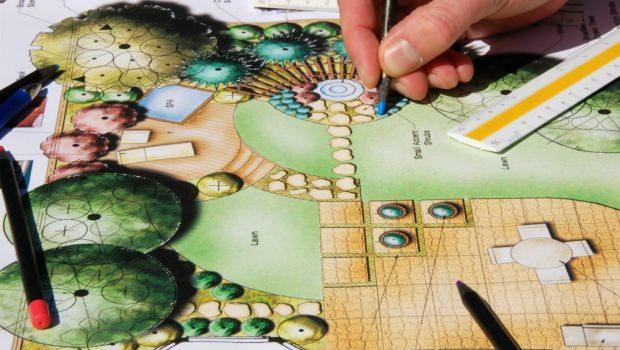
A private green space is something truly precious, and often you think about how to make it functional, practical, but also beautiful and picturesque. Why not create an outdoor English garden? This type of garden can be realized in various areas of Italy and also in small plots, but not only that, you can also use typical plants of these green spaces on a terrace or balcony. Here are all the secrets of beautiful and timeless English gardens and tips for creating them in your own homes with ease.
What is an English garden?
Among the main characteristics of the English garden is certainly its seemingly wild and uncultivated appearance, but in reality, the species of trees are carefully chosen and expertly juxtaposed. This type of green space developed especially in the 18th century and did not include artificial or natural elements that defined paths, flower beds, and others. In fact, at the base of the creation of these Anglo-Saxon gardens is a skillful combination of plant species and natural elements such as stones, caves, even ancient trees and shrubs, streams, and others that become closer as we enter them. This combination of natural elements and objects such as temples, columns, and gazebos defines one of the differences between the English garden and, for example, the French garden. The latter, fashionable before the birth of the Anglo-Saxon style, is characterized by the geometric definition of spaces in a strict and schematic manner, symmetrical and orderly, just like the style of Italian Renaissance gardens. The English landscape park, another definition of these romantic and harmonious Anglo-Saxon green spaces, can be recreated anywhere; the important thing is to use tree and plant species that adapt well to the climate and allow you to recreate evocative settings well mixed with artificial and natural elements. There are also a few small objects depending on the available knowledge and careful planning and design of the whole. Among the characteristics of the English garden, also stand out are the green expanses of grass cut very low, often realized on steep or undulating slopes, which then open up to unexpected groves and hide the corners of the lake created ad hoc by man with artificial ponds and streams. Romance is constant, and among the must-have elements, there is no shortage of stables and water mirrors we just mentioned, but also horse riders, a pier, or a gazebo, commonly known as the pavilion. The latter is very characteristic and is mainly circular or hexagonal in shape, made of wood according to tradition, or more recently wrought iron, and may hide inside a bench, a set of armchairs and a coffee table for enjoying a nice tea, or a swing for relaxation. The pavilion is not rare, often featuring Eastern mold and elements typical of pagodas such as curved, steeply pitched roofs, and vibrant colors like purple or red. Finally, there is a more European version of the English garden that took place in the 19th century and involves the inclusion in the green space of paths made with simple rubble, flower beds, and also very picturesque or fruit-bearing plants.
How to create an English garden
It is not so difficult to create a private English garden, especially if you have a small green space to improve and make comfortable and picturesque. But it is always better to be assisted by professionals in the field; they will indeed be able to create a beautiful and practical English garden with a tailored project. This will not only be realized based on the specific needs of the client but will also take into account the entire landscape or technical constraints, so to speak, and every angle and detail will be better planned with knowledge and professionalism. The individual plants chosen will also be those ideal for their own region and, among other things, will harmonize well with each other as well as with the architectural and external context of the landscape. For example, a good mixed English border is not simple to make with DIY, even if you choose recommended plants that should live well together. The final effect is not always the desired effect, and we must also consider possible unfavorable seasons at a climatic level and plan for regular fertilization and maintenance. Obviously, as mentioned at the beginning, you can try to create your own English garden, but it is advisable to do so in a small area, even if you have a lot of space available. In this case, if the result is optimal, you can extend to the rest of the garden, but little by little and closely monitor the growth of the different plants.
Typical plants of English gardens
Now let’s see what the most commonly used English garden plants are, including flowers. We start with flower beds that should be in a soft, free form, so to speak, and sometimes they will look wild. Among the typical flowers of English gardens, there is no shortage of roses, preferably bush varieties for flower beds, while creepers will be perfect for wrapping around gazebos, various trellises, columns, etc. Borders or beds are perfect for hydrangeas that, if well established, require little maintenance and guarantee lush and picturesque flowers. Certainly more delicate, even in the tier, are the white and light Japanese anemones, but also the Aquilegia and the Beauty of the Night, that is, Mirabilis jalapa. These latter species will go well for the strength combined with others to create lush and full corners, and perfect are also succulent plants that allow you to easily fill the most diverse areas, even steep and pointed, creating a picturesque and durable carpet. To give an even more fragrant touch to the English garden, you can choose jasmine, strictly for climbing, but also lavender, excellent for borders with a wild and uncultivated mood, more poetic and romantic. Incredible are also the daisies to place next to lower plants, and the white ones remain a true must-have. But for those who want a touch of color, ideal plants will resemble classic marguerites such as Echinacea Purpurea and Asters, known as Septembrini. There are no specific typically English plants among these perennial and woody-stemmed plants, but we recommend the Kumquat, a scenic and fruitful plant that withstands frost and high temperatures very well with minimal maintenance, also grows in pots. Alternatively, Japanese maples will be romantic and not too bulky, or pines or oaks if you have enough space. In general, however, you should not choose plants only for their aesthetic qualities, but it is good to mix all the vegetation in the best way and with extreme care for a perfect and lush English garden all year round.
Tag : garden in the north: tips